This page serves as a comprehensive educational resource for anyone concerned about radon levels and long-term health risks—especially lung cancer.
Radon is a naturally occurring, radioactive gas that is everywhere.
You cannot taste it, smell it, or see it.
Radon is created by the natural decay of uranium found in soil and rock beneath the ground. As it is naturally released into the air, and depending on the building structure, it can become trapped and concentrated in your home or business.
Buildings do not create radon, but their structure can allow radon to accumulate inside breathing spaces.
Factors that influence radon buildup include:
- Ventilation and air pressure differences
- Cracks in foundations and slabs
- Openings around pipes and utilities
- Crawl spaces and basements
- Private well water
- Natural soil disturbances
- Introduction of natural materials such as granite
What is Radon?
Radon Exposure is a Disease Prevention Issue
Radon-related lung cancer is largely preventable.
Testing enables early detection of elevated radon levels before they contribute to disease. When elevated levels are found, reducing radon is often simple and highly effective.
Radon education and testing are about early detection, informed decisions, and prevention.
Radon & Lung Cancer:
What Science Shows
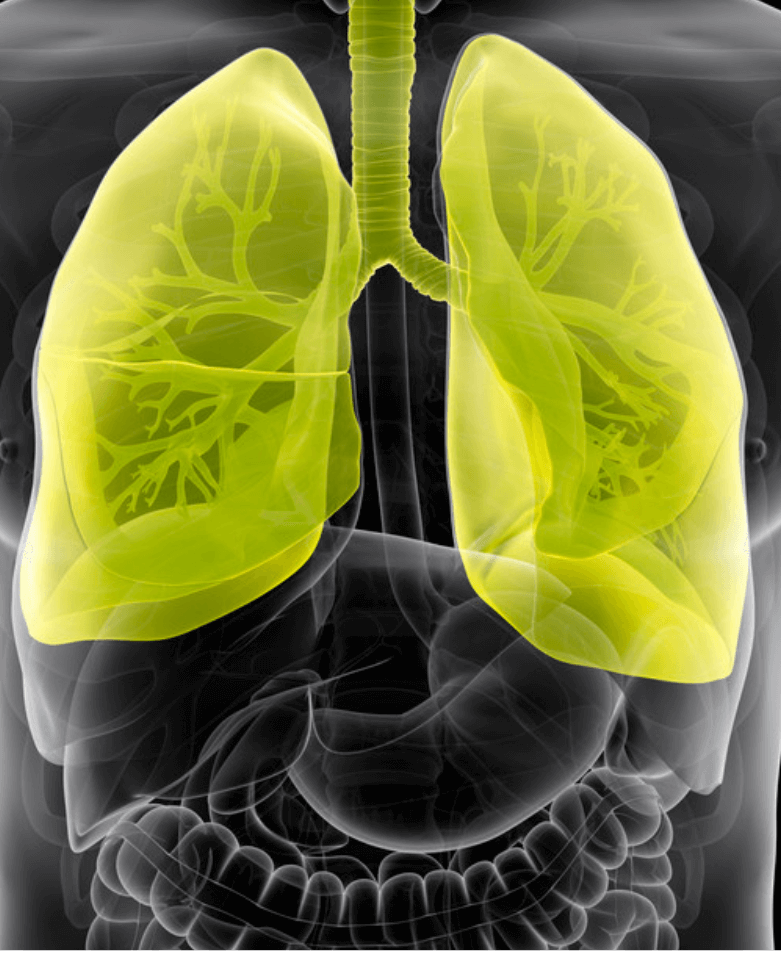
Radon is a Class A Human Carcinogen.
Each year in the United States:
- Approximately 21,000 people die from lung cancer linked to radon exposure
- Radon accounts for roughly 15% of all lung cancer deaths
- Radon is the leading cause of lung cancer in non-smokers
People who smoke and are also exposed to elevated radon levels are 10 times more likely to develop lung cancer than non-smokers.
Health risk increases with both rising radon levels and longer exposure duration. Radon-related lung cancer develops after
long-term, repeated inhalation of radioactive particles.
The longer you are exposed to elevated radon levels, the higher the health risk. The higher the radon levels, the greater the health risk.

Why the EPA & VDH Recommends Regular Radon Testing
Because radon is everywhere at low levels, it’s important not to dismiss the risk. Radon exposure is preventable, but only if it is identified.
Radon becomes a serious health hazard when elevated levels are trapped indoors over time.
Homes, schools, offices, and commercial buildings of any age or construction type can be affected. New construction is also a concern due to soil disruption. Even more concerning is that neighboring buildings can have vastly different radon levels.
The only way to know if radon is present at elevated levels is to test. Testing provides peace of mind, whether your test indicates low levels in your breathing space or the need for remediation to reduce elevated radon levels.
The Environmental Protection Agency (EPA) recommends:
- Testing all homes and buildings for radon
- Retesting approximately every 18–24 months
- Testing after renovations or structural changes
- Testing after installing a mitigation system
The Virginia Department of Health (VDH) also strongly encourages radon testing due to regional risk factors throughout Virginia.
Why Radon Is a Bigger Concern in Richmond & Central Virginia
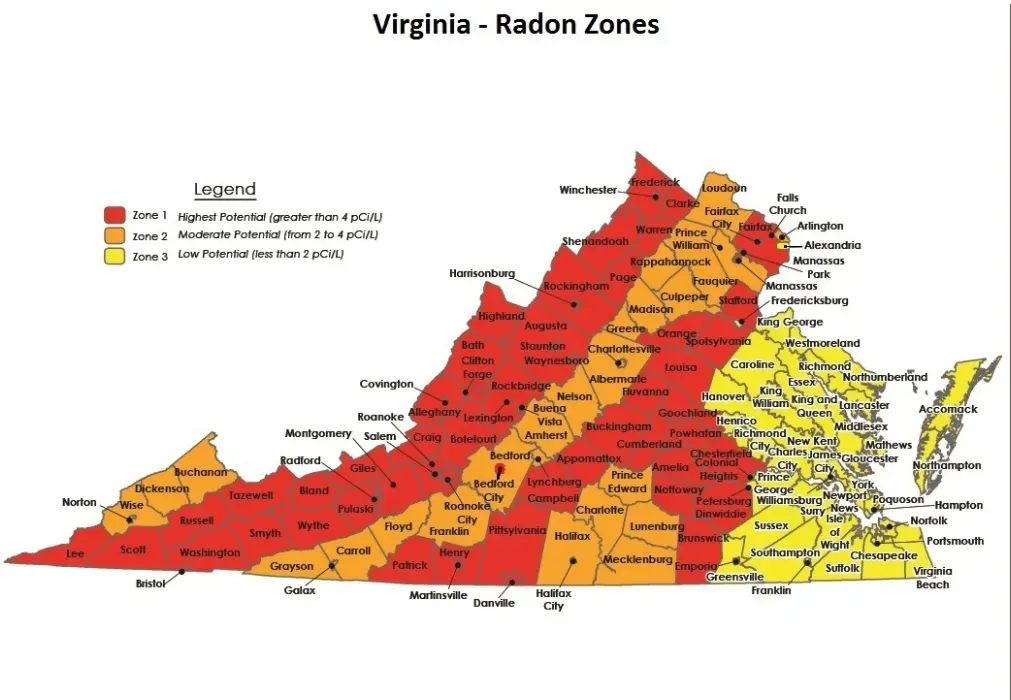
Radon levels vary widely based on geology, soil composition, and building design.
In Richmond and surrounding Central Virginia communities:
- Regional geology contributes to radon presence
- Older housing stock often includes basements and crawl spaces
- New construction may unintentionally trap radon more efficiently
- Homes and facilities using private well water may have additional exposure pathways
This makes routine testing especially important throughout the region.
Professional Radon Testing vs. At-Home Test Kits
At-home radon test kits can provide a limited snapshot, but they have important limitations.
At-home kits:
- Measure radon during a short window
- Are sensitive to daily fluctuations
- May overestimate or underestimate exposure
Professional radon testing:
- Uses calibrated monitoring devices
- Measures continuously over multiple days
- Reflects real-world exposure patterns
- Produces formal reports suitable for health and property decisions
Both approaches involve testing, but professional measurement provides greater accuracy and clarity.
Radon and Pets
Elevated radon levels are also dangerous for your pets.
Pets breathe the same indoor air and often spend more time in ground-level areas where radon concentrations may be higher. Long-term exposure increases cancer risk in animals, particularly lung-related conditions.
Possible symptoms in pets may include:
- Chronic coughing or hacking
- Fever
- Breathing difficulties
- Unusual fatigue
- Abnormal swelling
- Unusual skin masses
Because pets cannot communicate symptoms early, proactive testing helps protect the entire household.

What Certifications Should a Radon Measurement Professional Have?
Qualified radon measurement professionals should:
- Adhere to ANSI/AARST protocols
- Maintain national radon measurement certification
- Participate in continuing education
- Use properly calibrated equipment
These standards ensure testing accuracy and protect the integrity of results.


FAQs
What Do the EPA and VDH Recommend in 2026 for radon testing?
Current guidance continues to emphasize:
- Routine testing every 18–24 months
- Testing after renovations or building use changes
- Testing in residential, commercial, rental, and community spaces
- Verification testing after mitigation
Is radon testing important if my home or building is new?
Yes. New construction can still have elevated radon levels. In some cases, newer buildings may trap radon more efficiently due to energy-efficient construction methods. Testing is the only way to confirm levels, regardless of building age.
Why is radon testing considered disease prevention?
Radon-related lung cancer develops after long-term exposure. Testing identifies risk early, allowing exposure to be reduced before disease occurs. Education and testing make radon one of the most preventable environmental health risks.
Why is radon a major cause of lung cancer in non-smokers?
Radon releases radioactive particles that damage lung tissue when inhaled over time. Long-term exposure increases the risk of lung cancer, even for people who have never smoked. Radon is the leading cause of lung cancer among non-smokers.